

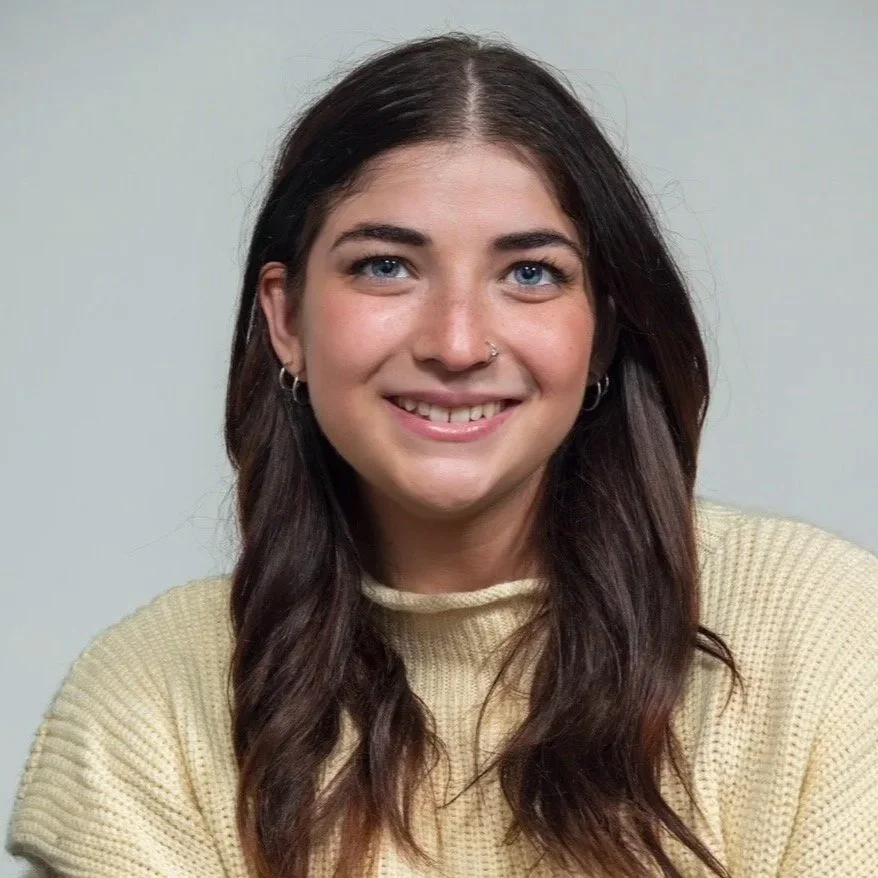
Sydney Edelstein M.A. CCC-SLP
Sydney Edelstein is an ASHA-certified, New York State-licensed Speech-Language Pathologist who also holds her Teacher of Students with Speech and Language Disabilities (TSSLD) certification. She earned her Bachelor’s degree in Speech and Hearing Sciences with a minor in Disability Studies from The Ohio State University and her Master’s degree in Speech-Language Pathology from LIU Post.
Sydney brings experience working with children across a broad range of communication, developmental, feeding, and swallowing needs. Her clinical experience includes working with children with speech sound disorders, Childhood Apraxia of Speech (CAS), receptive and expressive language disorders, Autism Spectrum Disorder, developmental disabilities, genetic conditions, hearing loss, pediatric dysarthria, AAC needs, and orofacial/myofunctional differences.
Sydney has a particular passion for pediatric feeding and swallowing. She has worked with infants and young children presenting with sensory-based and oral-motor feeding difficulties, restricted food repertoires, tube-feeding dependence, aspiration concerns, and medically complex feeding histories. Her approach may incorporate strategies such as food chaining, sensory-based feeding intervention, oral-motor skill development, and caregiver coaching to support safe, positive, and developmentally appropriate mealtime experiences. She also has experience supporting the development of bottle, straw, and cup drinking skills.
In addition to feeding therapy, Sydney has experience using AAC, play-based language intervention, traditional and motor-based speech approaches, myofunctional therapy, and evidence-based speech and language intervention. Her experience spans early intervention, outpatient clinical settings, and school-based practice, allowing her to consider a child’s communication needs across environments.
Sydney takes a holistic, child-centered, and neurodiversity-affirming approach to therapy. She believes that effective intervention begins with understanding the whole child—not simply a diagnosis or set of therapy goals. She prioritizes each child’s strengths, sensory needs, communication style, interests, and autonomy while creating therapy experiences that are engaging, functional, and meaningful.